LOVE OR CLICKS
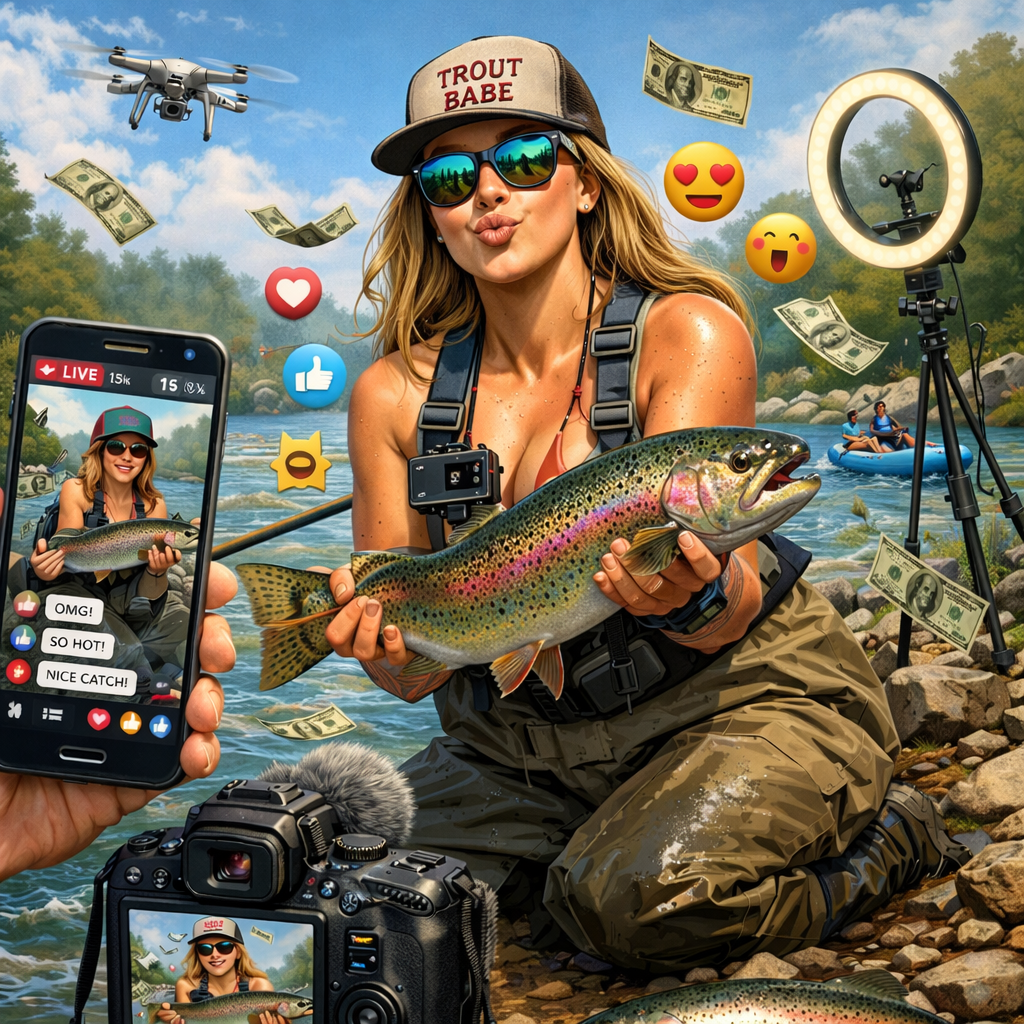
Why Social Media Is Slowly Destroying Fly Fishing
Not long ago, fly fishing was a quiet pursuit. You learned from someone who knew more than you. You earned your spots. You spent cold mornings untangling leaders, bad casting days turning into better ones, and slow fishing teaching patience. There was humility built into the sport.
Then social media arrived.
At first, it seemed great. Sharing photos of big trout. Connecting with other anglers. Discovering new destinations. But somewhere along the way, the culture shifted. Today, fly fishing on social media often looks more like a fashion show or a highlight reel than a craft built on skill, respect, and time on the water.
And that’s a problem.
The Rise of the “Influencer Angler”
Scroll through any platform and you’ll find them: perfectly posed anglers, flawless lighting, expensive gear, drone shots, and trout held out toward the camera just right. Yet watch closely — many of these “influencers” can’t make a clean cast, don’t know how to properly handle a fish, and wouldn’t recognize a hatch if it landed on their nose.
Fly fishing has always welcomed newcomers. That’s not the issue. The issue is when image replaces knowledge, and performance replaces authenticity. When likes and follows become more important than learning the craft, respecting the resource, or even understanding basic etiquette.
A photo doesn’t teach you how to read water. A reel doesn’t teach you how to mend line. A viral post doesn’t teach you how to keep a trout alive after release.
But it sure sells the illusion.
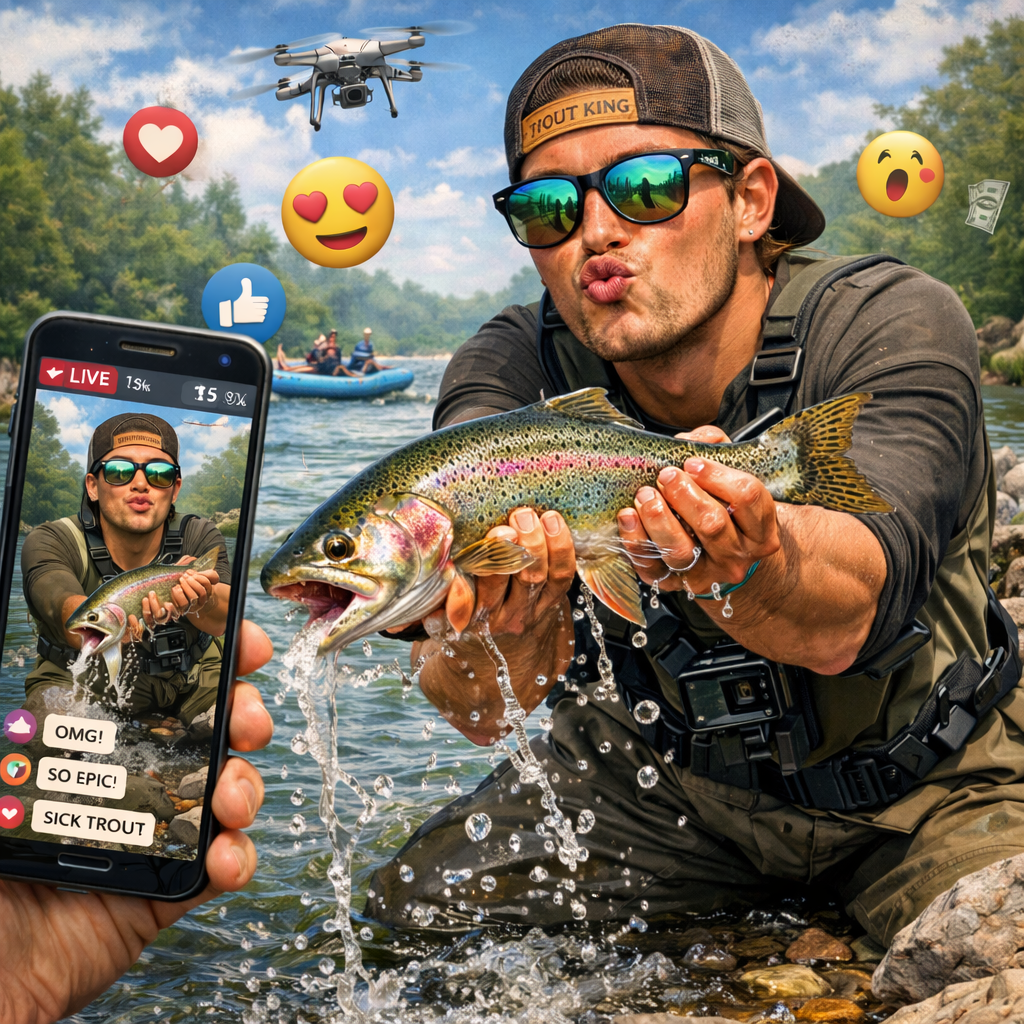
Pressure on Places That Can’t Handle It
Another consequence is overcrowding. Once-secret stretches of river are now geo-tagged and broadcast to millions. What took locals years to discover is now a pin on a map. The result? Too many anglers, stressed fisheries, and diminishing experiences for everyone.
As a guide here in Montana, I see it firsthand. Rivers like the Madison, Big Hole, Jefferson, Ruby, and Missouri are world-class fisheries — but they’re not infinite resources. Respect for water and fish is earned through experience, not filters and hashtags.
The Shortcut Culture
Fly fishing is supposed to be hard at first. That’s part of its beauty. But social media promotes shortcuts — quick tips from people who haven’t mastered the fundamentals themselves. New anglers copy what looks good on camera instead of building solid skills. Then they get frustrated when reality doesn’t match the highlight reel.
You don’t become a good angler in a weekend.
You don’t learn casting from a 15-second video.
You don’t gain respect for a river through a screen.
What We Risk Losing
If this trend continues, we risk losing the soul of the sport. Fly fishing isn’t just about catching fish. It’s about connection — to water, to wild places, to solitude, to patience. It’s about stories told over tailgates and drift boat seats, not comment sections.
The heart of fly fishing lives in early mornings, cold fingers, missed strikes, and quiet victories. Not staged grip-and-grins.
The Hope
The good news? Real anglers still exist. Guides, conservationists, weekend warriors, kids learning to cast, old-timers with stories — they’re still out there. And many are quietly pushing back by teaching, mentoring, protecting water, and sharing knowledge the right way.
Social media isn’t going away. But we can choose how we use it. We can promote education over ego. Respect over recognition. Craft over clout.
Because in the end, the river doesn’t care how many followers you have. It only rewards those willing to put in the time.
